$4450
$3560
The industrial air filters market size estimated at US$ 13.14 billion in 2024 and is expected to reach US$ 20.1 billion by 2031. The industrial air filters market is estimated to register a CAGR of 6.7% during 2025–2031.
Industrial Air Filters Market AnalysisThe demand for industrial air filters is growing as industries—particularly heavy manufacturing, power, cement, metals, and chemicals—face more stringent emission regulations, increased urbanization, and stricter workplace safety and air quality standards. Suppliers with high-efficiency media, energy-efficient system design, and IoT-enabled, predictive-maintenance filtration solutions will benefit from adoption.
Industrial Air Filters Market OverviewOne?????? of the main goals of air industrial filtration is to preserve machinery, deliver clean air, abide by environmental regulations, and maintain safety by extracting harmful particles from industrial processes. In different industries and systems, air filters are employed, such as in HVAC, pharmaceuticals, food and beverage processing, power generation, electronics manufacturing, mining, chemical plants, oil & gas, and automotive ??????industries.
Customize Research To Suit Your Requirement
We can optimize and tailor the analysis and scope which is unmet through our standard offerings. This flexibility will help you gain the exact information needed for your business planning and decision making.
Industrial Air Filters Market: Strategic Insights
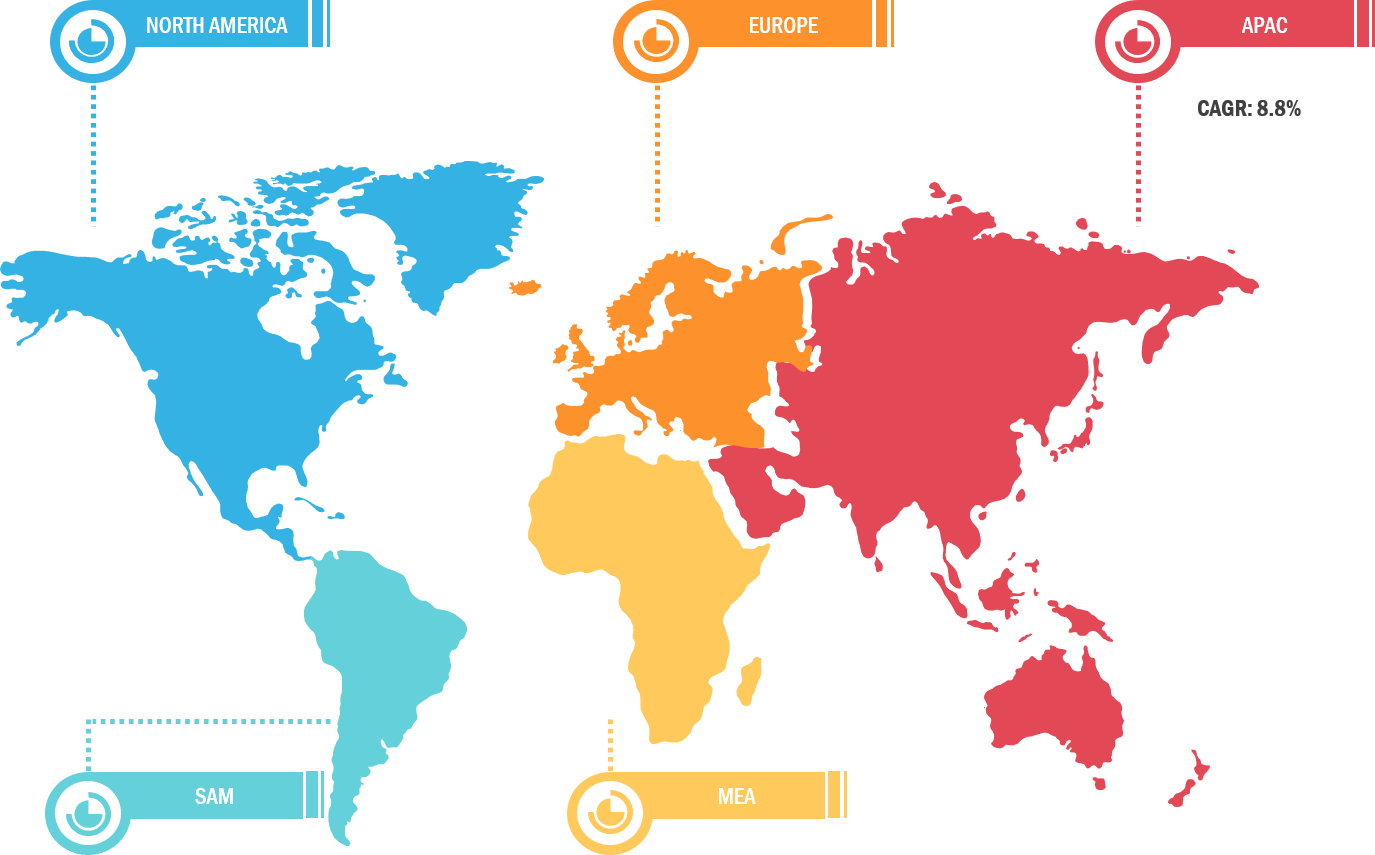
Market Size Value in US$ 6.44 billion in 2021 Market Size Value by US$ 10.97 billion by 2028 Growth rate CAGR of 7.9% from 2021 to 2028 Forecast Period 2021-2028 Base Year 2021

Naveen
Have a question?
Naveen will walk you through a 15-minute call to present the report’s content and answer all queries if you have any.
 Speak to Analyst
Industrial Air Filters Market Drivers and OpportunitiesCustomize Research To Suit Your Requirement
We can optimize and tailor the analysis and scope which is unmet through our standard offerings. This flexibility will help you gain the exact information needed for your business planning and decision making.
Industrial Air Filters Market: Strategic Insights
| Market Size Value in | US$ 6.44 billion in 2021 |
| Market Size Value by | US$ 10.97 billion by 2028 |
| Growth rate | CAGR of 7.9% from 2021 to 2028 |
| Forecast Period | 2021-2028 |
| Base Year | 2021 |
Naveen
Have a question?
Naveen will walk you through a 15-minute call to present the report’s content and answer all queries if you have any.
Speak to Analyst
Market Drivers:
- Stringent Regulatory Mandates: Tighter?????? air-quality regulations and sustainability targets are significantly increasing the demand for industrial air filters. Different types of filters, including HEPA, ULPA, electrostatic, and activated-carbon, are being used by various industries, like steel, cement, power, chemicals, pharma, and F&B, to comply with the U.S. Clean Air Act, EU IED/REACH, China, and India NCAP/MoEFCC emission and workplace air-quality standards.
- Global Industrial Expansion: The post-pandemic industrial recovery and the rising manufacturing output in the automotive, cement, chemicals, metals, and electronics sectors are increasing the emission loads and workplace exposure risks. As factories grow in size and get modernized, they take the initiative of installing efficient dust, fume, and gas filtration systems to remain in conformity, cut down on the time lost between work, and be able to support the process of industrialization in Asia Pacific, Latin America, and the Middle East.
- Awareness of Health, Safety, Environment: One of the factors that is leading to the rapid adoption of advanced air filtration technologies by the industrial sector is the increased awareness of health risks caused by dust, fumes, and VOCs, in addition to equipment damage and productivity loss. Companies get on board with the OSHA/WHO guidance, install HEPA and activated-carbon systems as a standard feature, and treat the provision of clean air as a strategic ESG and workforce-wellbeing investment, instead of just another compliance ??????cost.
Market Opportunities:
- Smart and IoT-Enabled Air Filtration Systems: Intelligent?????? air purification devices employ sensors, communication, and analyzing technologies to measure the amount of particulate matter, pressure drop, humidity, and air movement continuously. Predictive maintenance alerts and fan control are initiated accordingly. In addition to these, they refurbish filter life, lower energy consumption, increase safety, and enable facilities to comply with increasingly strict environmental and operational performance regulations.
- Global Hydropower Development: The rapid expansion of hydropower in India, China, Europe, Southeast Asia, and North America is increasing the necessity of advanced air filters to prevent the contamination of turbines, the malfunction of control systems, and ensure the safety of workers. High?efficiency and IoT-enabled solutions contribute to maintaining the cleanliness of turbine halls and control rooms, thus reducing the occurrence of failures, prolonging the life of the equipment, and facilitating the generation of renewable power that is stable and in conformity with the regulations.
- Energy-Efficient and Sustainable Solutions: Industrial users have been progressively opting for filters with low-pressure-drop, self-cleaning, and modular features that can lower fan energy and lifecycle costs. Likewise, employing recyclable or low-impact materials helps ESG goals. When combined with intelligent monitoring and predictive maintenance, these products can help determine replacement intervals and airflow, thereby coordinating air quality, energy savings, and sustainability priorities can be ??????coordinated.
The industrial air filters market is divided into different segments to give a clearer view of how it works, its growth potential, and the latest trends. Below is the standard segmentation approach used in industry reports:
By Media:
- Fiberglass: Long dust-holding capacity, heat resistance, and the ability to even resist industrial pollutants, fiberglass air filters have become the first choice for HVAC systems, cleanrooms, and heavy industrial facilities.
- Metal: Metal air filters are popular due to their strong construction, resistance to high temperatures, and ability to resist corrosion, which makes them the perfect choice for tough industrial environments like manufacturing plants, power generation facilities, chemical processing, and HVAC systems in harsh ??????conditions.
- Non-Woven Fabrics
- Activated Carbon
- Others
By Product:
- Bag Filters: Bag?????? filters are the most popular air filters in the industry, used in industrial air filtration to capture dust, particulate matter, and other airborne contaminants. They are made from fabric filter bags that let the air go through them, while the particles get stuck on the surface of the bag. These filters are a standard in industries like metal processing, cement, power generation, and mining that produce ??????dust.
- Cartridge Filters
- HEPA Filter
- Electrostatic Precipitator
- Others
By Industry:
- Food and Beverages
- Power Generation
- Semiconductors and Electronics
- Chemicals and Petrochemicals
- Healthcare
- Metals and Mining
- Paper and Paints
- Others
By Geography:
- North America
- Europe
- Asia Pacific
- South America
- Middle East & Africa
Market Report Scope
Industrial Air Filters Market Share Analysis by GeographyNorth America, Europe, Asia Pacific (APAC), the Middle East and Africa (MEA), and South America are regions studied to analyze the global air industrial filter market. North America had the largest market share in 2024, followed by Asia Pacific and Europe. Due to rapid industrialization, urbanization, and investments in clean energy, manufacturing, and infrastructure APAC is predicted to have the highest CAGR during the forecast period.
Below is a summary of market share and trends by region:
1. North America
- Market Share: Largest market, especially in the US, followed by Canada, due to strong automotive, healthcare, and manufacturing sectors.
- Key Drivers:
- High Awareness of Air Quality Index
- Presence of notable OEMs
- Trends: Rapid adoption of energy-efficient solutions.
2. Europe
- Market Share: Holding the largest share within the EMEA region as a result of stringent regulations.
- Key Drivers:
- Upgradation in chemicals, power, and process industries
- Decarbonization Program initiated by the Governments
- Trends: Retrofitting of high-efficiency HEPA/activated-carbon media.
3. Asia Pacific
- Market Share: Fastest growing market owing to rapid industrialization and growing filter manufacturing in the region.
- Key Drivers:
- Expansion of the mining and cement industry
- Investments in developing smart cities
- Trends: Shift from basic media to high-performance media.
4. Middle East and Africa
- Market Share: Emerging market driven by the oil & gas industry.
- Key Drivers:
- Huge-scale expansions of infrastructure (construction, energy, and utilities)
- Increasing government investments in the air quality program
- Trends: Initiatives and incentives to attract global manufacturers
5. South America
- Market Share: A growing market largely supported by the growing mining sector in Brazil and Chile.
- Key Drivers:
- Expansion of the automotive and healthcare industries
- Infrastructure development programs
- Trends: Collaboration with global suppliers to upgrade the water filtration plants.
Medium Market Density and Competition
Competition is strong due to the presence of established players such as Donaldson, HYDAC International GmbH, Eaton Corp Plc, Parker Hannifin Corp, Alfa Laval AB, and Filtcare Technology Pvt. Ltd. Regional and niche players are also adding to the competitive landscape across different regions.
This high level of competition urges companies to stand out by offering:
- Superior?????? performance:? High-efficiency, long-life industrial air filters that conserve replacements and total lifecycle cost in essential air-handling applications.?
- Low-pressure-drop configurations that lower fan power consumption and help users reach energy-saving and ESG goals.?
- Sensor-equipped units that continuously measure air quality and pressure drop, thus allowing maintenance on a prediction basis and lessening the downtime that is not planned.?
- Small, modular filter elements and housings that can be easily retrofitted, debottlenecked, and scaled for future capacity ??????increases?
Opportunities and Strategic Moves
- To guarantee smooth integration, data connectivity, and quicker deployment of clean-air solutions across factories, commercial buildings, and transportation infrastructure, top industrial air filter suppliers are strengthening their relationships with HVAC OEMs, automation vendors, and IoT platform providers.
- Key suppliers are launching scalable, modular industrial air filtration systems that can be readily expanded, upgraded, or configured to meet various airflow, contaminant, and space constraints across various applications. These systems include housings, filter modules, fans, and controls.
Disclaimer: The companies listed above are not ranked in any particular order.
Other companies analyzed during the course of research:- Camfil AB
- AAF International
- Honeywell International Inc
- Lydall Inc.
- Freudenberg Filtration Technologies
- HYDAC International GmbH launched a new product.
HYDAC International GmbH announced that they have showcased their automatic backflush filters and engineered filtration systems, which are designed to meet the process demands. - Hollingsworth & Vose launched PlusZero, a line of high-performance solutions made without PFAS, to create a cleaner, healthier, and more sustainable ecosystem. Moreover, H&V’s PlusZero line will utilize advanced technology to support sustainability goals by eliminating chemicals in manufacturing forever.
The "Industrial Air Filters Market Size and Forecast (2021–2031)" report provides a detailed analysis of the market covering below areas:
- industrial air filters market size and forecast at global, regional, and country levels for all the key market segments covered under the scope
- industrial air filters market trends, as well as market dynamics such as drivers, restraints, and key opportunities
- Detailed PEST and SWOT analysis
- Industrial liquid filters market analysis covering key market trends, global and regional framework, major players, regulations, and recent market developments
- Industry landscape and competition analysis covering market concentration, heat map analysis, prominent players, and recent developments for the industrial air filters market
- Detailed company profiles

Report Coverage
Revenue forecast, Company Analysis, Industry landscape, Growth factors, and Trends

Segment Covered
Component, and Application

Regional Scope
North America, Europe, Asia Pacific, Middle East & Africa, South & Central America

Country Scope
Argentina, Australia, Brazil, Canada, China, France, Germany, India, Italy, Japan, Mexico, Russian Federation, Saudi Arabia, South Africa, South Korea, United Arab Emirates, United Kingdom, United States
Frequently Asked Questions
1. Industrialization and sector expansion: Rapid manufacturing growth in emerging markets, especially Asia-Pacific, adds thousands of new plants that require dust, fume, and process-air filtration.2. Regulatory and compliance pressure: Tightening air pollution and occupational health norms force industries to install or upgrade high-efficiency filtration to avoid penalties and shutdowns.
Non-woven fabrics are reshaping industrial air filtration by enabling higher capture efficiency for fine particles, lower pressure drop (and thus energy use), longer filter life, and more flexible, application‑specific media design than traditional woven fabrics or paper.
Major players include General Dynamics Corp, BAE Systems Plc, Oshkosh Corp, Otokar Otomotiv ve Savunma Sanayi A.S, and Lockheed Martin Corp.
The industrial air filters market size estimated at US$ 13.14 billion in 2024 and is expected to reach US$ 20.1 billion by 2031. The industrial air filters market is estimated to register a CAGR of 6.7% during 2025–2031.
While North America currently dominate, Asia Pacific, the Europe, and South & Central America are expected to expand rapidly.
The cartridge filters segment is experiencing significant growth in the market.
The industrial air filters market faces cost, technical, and regulatory challenges, including high upfront and operating expenses, integration and performance issues, and increasing compliance demands that especially strain small and mid-sized users.
Top trends include:1. Wider use of nanofiber and advanced nonwoven media.2. Strong shift toward energy-efficient and eco-friendly filter designs.3. More modular and portable filtration units for flexible use.4. Rising demand from pharma, electronics, and data centers
The List of Companies - Industrial Air Filter Market
- Donaldson Company
- Camfil
- Nederman
- MANN+HUMMEL
- Freudenberg Filtration Technologies
- AAF International
- Intensiv-Filter Himenviro
- BlueSky Global
- Spectrum Filtration
- Filter Concept Pvt. Ltd
- Envirotech Industrial Products
- Revlon Industries
- R+B Filter Manufacturing Enterprises Pvt. Ltd
- Unique Air Products
- Indo German Wire Screen Co.
- TFI Filtration
- Crescent Filtration Pvt. Ltd
- Aquasstar
- Dynamic Enterprises Inc
- Gem Equipments Pvt. Ltd
The Insight Partners performs research in 4 major stages: Data Collection & Secondary Research, Primary Research, Data Analysis and Data Triangulation & Final Review.
- Data Collection and Secondary Research:
As a market research and consulting firm operating from a decade, we have published many reports and advised several clients across the globe. First step for any study will start with an assessment of currently available data and insights from existing reports. Further, historical and current market information is collected from Investor Presentations, Annual Reports, SEC Filings, etc., and other information related to company’s performance and market positioning are gathered from Paid Databases (Factiva, Hoovers, and Reuters) and various other publications available in public domain.
Several associations trade associates, technical forums, institutes, societies and organizations are accessed to gain technical as well as market related insights through their publications such as research papers, blogs and press releases related to the studies are referred to get cues about the market. Further, white papers, journals, magazines, and other news articles published in the last 3 years are scrutinized and analyzed to understand the current market trends.
- Primary Research:
The primarily interview analysis comprise of data obtained from industry participants interview and answers to survey questions gathered by in-house primary team.
For primary research, interviews are conducted with industry experts/CEOs/Marketing Managers/Sales Managers/VPs/Subject Matter Experts from both demand and supply side to get a 360-degree view of the market. The primary team conducts several interviews based on the complexity of the markets to understand the various market trends and dynamics which makes research more credible and precise.
A typical research interview fulfils the following functions:
- Provides first-hand information on the market size, market trends, growth trends, competitive landscape, and outlook
- Validates and strengthens in-house secondary research findings
- Develops the analysis team’s expertise and market understanding
Primary research involves email interactions and telephone interviews for each market, category, segment, and sub-segment across geographies. The participants who typically take part in such a process include, but are not limited to:
- Industry participants: VPs, business development managers, market intelligence managers and national sales managers
- Outside experts: Valuation experts, research analysts and key opinion leaders specializing in the electronics and semiconductor industry.
Below is the breakup of our primary respondents by company, designation, and region:
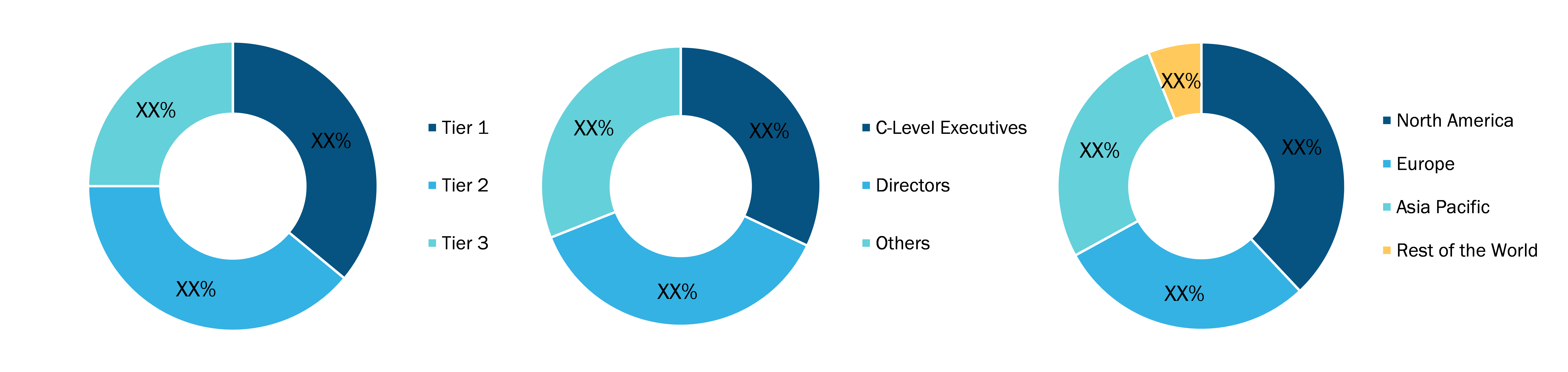
Once we receive the confirmation from primary research sources or primary respondents, we finalize the base year market estimation and forecast the data as per the macroeconomic and microeconomic factors assessed during data collection.
- Data Analysis:
Once data is validated through both secondary as well as primary respondents, we finalize the market estimations by hypothesis formulation and factor analysis at regional and country level.
- 3.1 Macro-Economic Factor Analysis:
We analyse macroeconomic indicators such the gross domestic product (GDP), increase in the demand for goods and services across industries, technological advancement, regional economic growth, governmental policies, the influence of COVID-19, PEST analysis, and other aspects. This analysis aids in setting benchmarks for various nations/regions and approximating market splits. Additionally, the general trend of the aforementioned components aid in determining the market's development possibilities.
- 3.2 Country Level Data:
Various factors that are especially aligned to the country are taken into account to determine the market size for a certain area and country, including the presence of vendors, such as headquarters and offices, the country's GDP, demand patterns, and industry growth. To comprehend the market dynamics for the nation, a number of growth variables, inhibitors, application areas, and current market trends are researched. The aforementioned elements aid in determining the country's overall market's growth potential.
- 3.3 Company Profile:
The “Table of Contents” is formulated by listing and analyzing more than 25 - 30 companies operating in the market ecosystem across geographies. However, we profile only 10 companies as a standard practice in our syndicate reports. These 10 companies comprise leading, emerging, and regional players. Nonetheless, our analysis is not restricted to the 10 listed companies, we also analyze other companies present in the market to develop a holistic view and understand the prevailing trends. The “Company Profiles” section in the report covers key facts, business description, products & services, financial information, SWOT analysis, and key developments. The financial information presented is extracted from the annual reports and official documents of the publicly listed companies. Upon collecting the information for the sections of respective companies, we verify them via various primary sources and then compile the data in respective company profiles. The company level information helps us in deriving the base number as well as in forecasting the market size.
- 3.4 Developing Base Number:
Aggregation of sales statistics (2020-2022) and macro-economic factor, and other secondary and primary research insights are utilized to arrive at base number and related market shares for 2022. The data gaps are identified in this step and relevant market data is analyzed, collected from paid primary interviews or databases. On finalizing the base year market size, forecasts are developed on the basis of macro-economic, industry and market growth factors and company level analysis.
- Data Triangulation and Final Review:
The market findings and base year market size calculations are validated from supply as well as demand side. Demand side validations are based on macro-economic factor analysis and benchmarks for respective regions and countries. In case of supply side validations, revenues of major companies are estimated (in case not available) based on industry benchmark, approximate number of employees, product portfolio, and primary interviews revenues are gathered. Further revenue from target product/service segment is assessed to avoid overshooting of market statistics. In case of heavy deviations between supply and demand side values, all thes steps are repeated to achieve synchronization.
We follow an iterative model, wherein we share our research findings with Subject Matter Experts (SME’s) and Key Opinion Leaders (KOLs) until consensus view of the market is not formulated – this model negates any drastic deviation in the opinions of experts. Only validated and universally acceptable research findings are quoted in our reports.
We have important check points that we use to validate our research findings – which we call – data triangulation, where we validate the information, we generate from secondary sources with primary interviews and then we re-validate with our internal data bases and Subject matter experts. This comprehensive model enables us to deliver high quality, reliable data in shortest possible time.
Trends and growth analysis reports related to Industrial Air Filters Market

Dec 2025
Industrial Liquid Filters Market
Size and Forecast (2021 - 2031), Global and Regional Share, Trend, and Growth Opportunity Analysis Report Coverage: By Media (Fiberglass, Metal, Non-Woven Fabrics, Activated Carbon, and Others), Product (Bag Filters, Drum Filters, Cartridge Filters, Gravity Filtration, and Others), Industry (Food and Beverages, Power Generation, Semiconductors and Electronics, Chemicals and Petrochemicals, Healthcare, Metals and Mining, Paper and Paints, and Others), and Geography (North America, Europe, Asia Pacific, Middle East and Africa, and South America)
Dec 2025
Centrifugal Mixed-flow Pump Market
Size and Forecast (2021 - 2031), Global and Regional Share, Trend, and Growth Opportunity Analysis Report Coverage: By Stage (Single Stage and Multistage), Operation Type (Electric, Hydraulic, and Air Driven), Type (Overhung Impeller, Vertically Suspended, and Between Bearing), End User (Industrial [Water & Wastewater Treatment, Oil & Gas, Power Generation, Chemical, Food & Beverages, Others], Residential, Commercial, and Agriculture), and Geography (North America, Europe, Asia Pacific, Middle East & Africa, and South America)
Dec 2025
Centrifugal Radial Flow Pump Market
Size and Forecast (2021 - 2031), Global and Regional Share, Trend, and Growth Opportunity Analysis Report Coverage: By Stage (Single Stage and Multistage), Operation Type (Electric, Hydraulic, and Air Driven), Type (Overhung Impeller, Vertically Suspended, and Between Bearing), End User [Industrial (Water & Wastewater Treatment, Oil & Gas, Power Generation, Chemical, Food & Beverages, and Others), Residential, Commercial, and Agriculture], and Geography (North America, Europe, Asia Pacific, Middle East & Africa, and South America)
Dec 2025
Centrifugal Axial Flow Pump Market
Size and Forecast (2021 - 2031), Global and Regional Share, Trend, and Growth Opportunity Analysis Report Coverage: By Stage (Single Stage and Multistage), Operation Type (Electric, Hydraulic, and Air Driven), Type (Vertically Suspended and Between Bearing), End User [Industrial (Water & Wastewater Treatment, Oil & Gas, Power Generation, Chemical, Food & Beverages, and Others), Residential, Commercial, and Agriculture], and Geography (North America, Europe, Asia Pacific, Middle East & Africa, and South America)
Dec 2025
Industial Rainscreen Cladding Market
Size and Forecast (2021 - 2031), Global and Regional Share, Trend, and Growth Opportunity Analysis Report Coverage: By Cladding Material (Ceramic, Timber, Composite Materials, Metals, and Others), Construction Type (New Construction and Renovation), and Geography
Dec 2025
Commercial Rainscreen Cladding Market
Size and Forecast (2021 - 2031), Global and Regional Share, Trend, and Growth Opportunity Analysis Report Coverage: By Cladding Material (Ceramic, Timber, Composite Materials, Metals, and Others), Construction Type (New Construction and Renovation), and Geography (North America, Europe, Asia Pacific, Middle East and Africa, and South America)
Dec 2025
Residential Rainscreen Cladding Market
Size and Forecast (2021 - 2031), Global and Regional Share, Trend, and Growth Opportunity Analysis Report Coverage: By Cladding Material (Ceramic, Timber, Composite Materials, Metals, and Others), Construction Type (New Construction and Renovation), and Geography (North America, Europe, Asia Pacific, Middle East and Africa, and South America)
Dec 2025
Ring Cross Belt Sorter Market
Size and Forecast (2021 - 2031), Global and Regional Share, Trend, and Growth Opportunity Analysis Report Coverage: By Capacity (Below 5000 units/hr, 5000-15000 units/hr , and above 15000 units/hr), End-Use Industry (Airports, E-Commerce, Retail and Fashion, Food and Beverages, Manufacturing, Automotive, Logistics, and Others), and Geography (North America, Europe, Asia Pacific, Middle East and Africa, and South America)